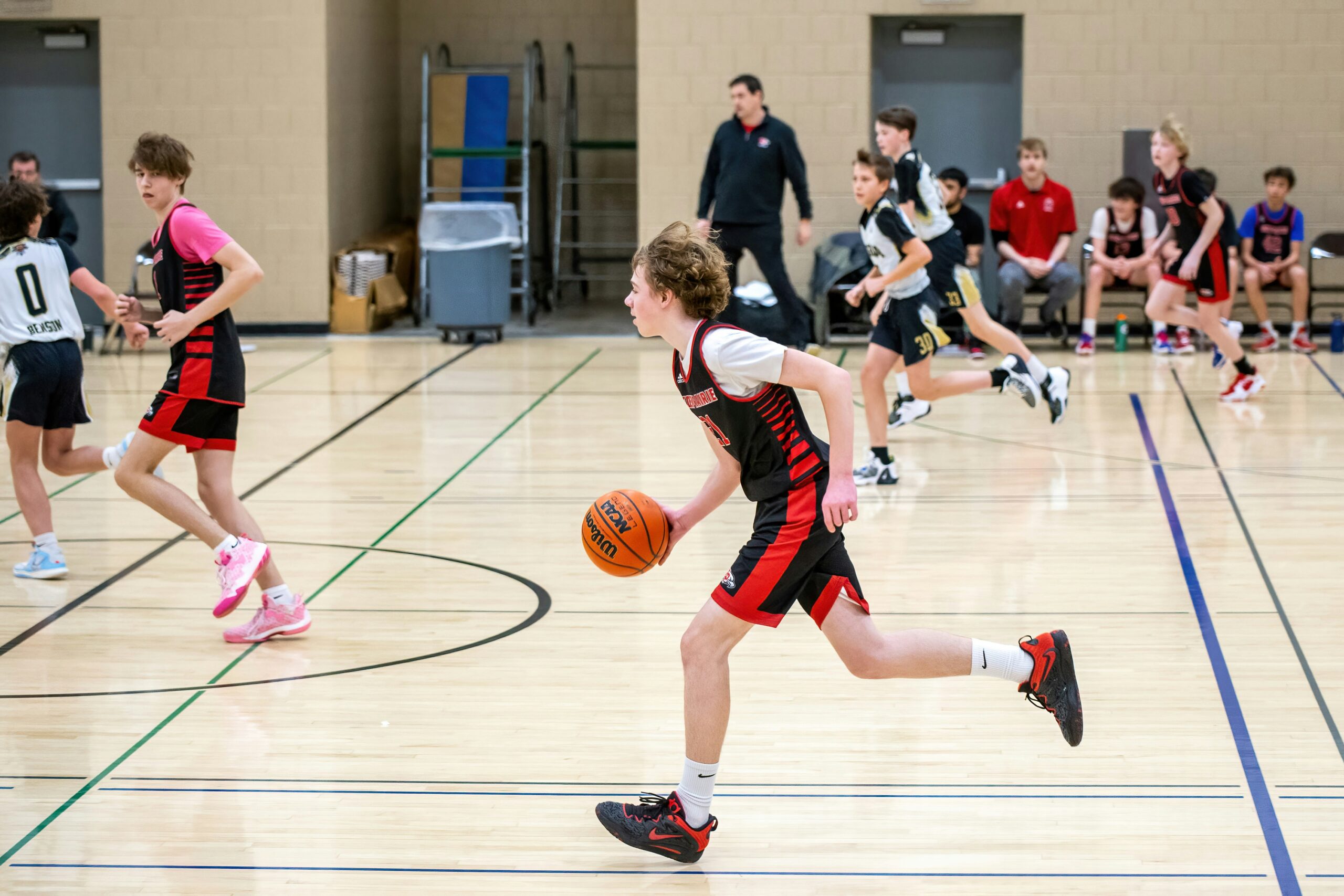
Teaching basketball skills to kids requires patience, structure, and an understanding of how children learn. Coaches and parents play a vital role in a young athlete’s development, both in physical abilities and in confidence on and off the court. Whether you’re guiding a team or helping your child practice in the driveway, having the right approach can make all the difference.
Create a Fun and Supportive Environment
Children are more likely to stay interested in basketball if their early experiences are positive and enjoyable. Make practices fun by incorporating games, challenges, and friendly competition. Avoid excessive drills that feel like work. Instead, use engaging activities that also build key skills such as dribbling, passing, and shooting.
A supportive environment helps kids feel safe to make mistakes, try new things, and grow. Offer plenty of encouragement and positive feedback. Avoid harsh criticism or focusing only on outcomes, such as winning. When children feel supported, they’re more willing to participate, learn, and build a long-term love for the game.
Focus on Fundamentals First
Before introducing advanced strategies or complex plays, make sure young players have a solid grasp of the basics. Fundamental basketball skills include dribbling with both hands, making accurate passes, proper shooting form, and basic footwork. These core skills form the foundation for all future development.
Repetition and consistency are key when teaching fundamentals. Keep drills age-appropriate and straightforward. For younger children, short drills that emphasize one skill at a time work best. As they improve, you can begin combining skills and gradually increase the difficulty. The goal is to build confidence through gradual progress.
Teach Through Play and Game-Like Situations
Children learn best when they are actively involved and having fun. Incorporating mini-games and game-like scenarios helps them understand how skills apply in real situations. For example, a passing drill can become a timed challenge to encourage quick thinking and teamwork.
Scrimmages and small-sided games are valuable tools for reinforcing lessons in a realistic setting. They allow kids to make decisions, apply their skills under pressure, and experience the rhythm of actual play. Just be sure to balance instruction with plenty of opportunities for free play and experimentation.
Emphasize Teamwork and Communication
Basketball is a team sport, and developing strong communication skills is essential. Teach kids to call for the ball, alert teammates to screens, and encourage one another during practice and games. These habits build trust and improve team performance.
You can promote teamwork by rewarding unselfish play and cooperation rather than individual statistics. Rotate players through different positions to help them understand each role and appreciate their teammates. Celebrating collective effort teaches kids that basketball is about working together.
Be Clear and Consistent with Instructions
Kids thrive on clear expectations and consistent guidance. Use simple language when giving instructions, and demonstrate techniques whenever possible. Visual learning is particularly effective for younger athletes who may struggle with verbal cues alone.
Avoid overloading children with too many instructions at once. Break down each skill into manageable steps and allow time for repetition. Be patient and consistent in your feedback. A calm and steady approach helps kids feel comfortable and focused, leading to better retention and improvement.
Adapt to Each Child’s Learning Style
Every child is different, and adapting your coaching style to fit individual needs can make a significant impact. Some kids are visual learners who benefit from demonstrations, while others respond better to verbal instruction or hands-on practice. Pay attention to how each child responds and adjust accordingly.
Also consider the child’s personality and experience level. Some may be naturally competitive and eager to take the lead, while others need more encouragement and reassurance. A flexible approach ensures that all players feel valued and can learn in a way that works for them.
Set Age-Appropriate Goals
Setting realistic and age-appropriate goals helps keep kids motivated and on track. Younger players may focus on mastering basic skills, such as dribbling without traveling and shooting with proper form. Older children can begin working on more advanced skills such as layups, defense, and team strategies.
Celebrate small achievements and milestones along the way. Recognizing progress, no matter how minor, boosts confidence and reinforces effort. Avoid comparing children to one another; instead, track individual improvement and personal bests. This fosters a growth mindset and encourages kids to keep trying.
Encourage Consistent Practice at Home
Reinforcement outside of team practices can help kids make faster progress. Encourage short, consistent practice sessions at home, focusing on one or two skills at a time. Parents can join in by rebounding, passing, or setting up fun challenges to keep kids engaged.
Make sure home practice stays positive and low-pressure. The goal is to build muscle memory and confidence, not to push perfection. Even 15 minutes a day of focused practice can lead to noticeable improvement over time. Let kids take ownership of their practice by setting goals or tracking their own progress.
Model Good Sportsmanship
Coaches and parents are role models, and children often mimic the behaviors they see. Demonstrating respect for referees, opponents, and teammates helps instill strong values. Teach kids to win with humility and lose with grace.
Use every opportunity to reinforce sportsmanship. Praise players who show respect, hustle, and a positive attitude, regardless of the scoreboard. Avoid negative comments from the sidelines or arguing with officials. When adults lead by example, children learn to treat the game and each other with respect.
Build Confidence Through Encouragement
Confidence plays a significant role in a child’s development as an athlete. Offer praise for effort as much as for results. When kids feel confident, they are more willing to take risks, try new techniques, and push through challenges.
Use positive reinforcement and constructive feedback. Rather than pointing out what a child did wrong, highlight what they did right and how they can improve. Creating an uplifting atmosphere helps kids associate basketball with self-belief and personal growth.
Teaching basketball to kids is about much more than just teaching a sport. It’s about building life skills, confidence, and a sense of belonging. With the proper guidance, patience, and encouragement, coaches and parents can help young athletes not only become better players but also better people.