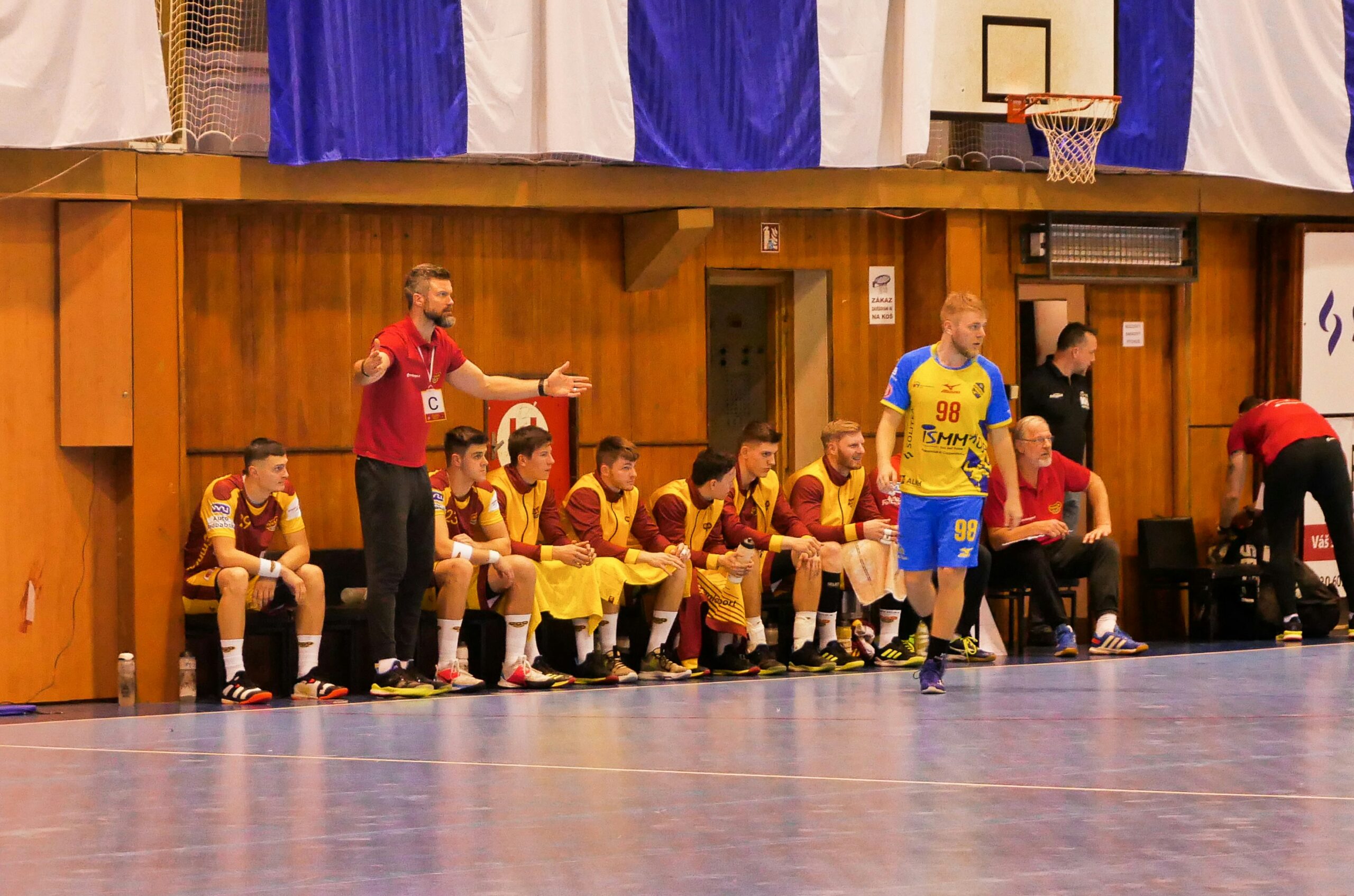
Basketball coaching is more than just managing players during games. It is about mentoring, teaching discipline, encouraging growth, and helping individuals become better athletes and teammates. As a beginner stepping into the role of a coach, your mission should be to lay a strong foundation in both skills and values.
A successful basketball coaching journey begins with understanding the sport inside and out. From rules to drills, and mindset to motivation, coaching involves both physical and mental preparation. By focusing on fundamentals and fostering a team-first attitude, you can help shape a confident, cohesive, and skilled basketball team ready to compete.
Understanding Your Role as a Coach
As a basketball coach, you are a leader, teacher, and motivator. Your primary responsibility is to guide your players in developing not only technical skills but also character. You should serve as a positive influence, modeling teamwork, dedication, and sportsmanship.
Basketball coaching for beginners often involves working with young or inexperienced players. In these early stages, your impact is potent. Your encouragement, consistency, and approach to challenges will shape how players perceive the game and themselves. A good coach builds trust, promotes effort, and celebrates progress—regardless of the scoreboard.
Knowing the Rules and Language of the Game
Before coaching others, it’s vital to master the basics of basketball yourself. You need to understand the court layout, how points are scored, and what constitutes a foul or violation. This foundational knowledge helps you teach the game clearly and avoid confusion during practices and games.
In basketball coaching, using proper terminology is also essential. Players should become familiar with terms like “pick and roll,” “zone defense,” and “fast break.” Speaking the language of basketball builds confidence and ensures everyone is on the same page during instruction and play.
Planning Effective Practices
A well-organized practice is the heart of basketball coaching. Each session should include warm-ups, skill drills, team activities, and a cool-down. Sticking to a consistent routine helps players develop good habits while staying engaged and motivated.
Good practices mix repetition with variety. Start with basic ball-handling or shooting drills, then move into competitive games or small-sided scrimmages. Avoid overloading players with too much information at once. Keep things simple, especially for beginners, and focus on consistent improvement in each area.
Teaching the Core Skills
Fundamental skills are the foundation of basketball coaching. Players must learn how to dribble with control, shoot with proper form, pass accurately, and defend with intensity. These core techniques should be revisited frequently until they become second nature.
In the beginning stages, don’t rush to teach advanced plays. Focus instead on building confidence through simple drills and patient instruction. Let your players get comfortable with the ball, and always emphasize form over speed. As skills improve, the complexity of your coaching can gradually increase.
Communicating Clearly and Positively
Communication plays a crucial role in basketball coaching. You need to explain drills, correct mistakes, and give encouragement in a way that inspires players to grow. Keep your language simple, clear, and confident. Avoid long lectures or overly technical instructions.
Positive reinforcement goes a long way. When a player does something right, recognize it. When they make a mistake, correct it gently and show them how to improve. Your tone, body language, and feedback style can shape a player’s motivation and mindset, especially in their early basketball experience.
Emphasizing Teamwork and Sportsmanship
One of the most rewarding aspects of basketball coaching is teaching young athletes the value of teamwork. Basketball is a fast-paced sport that relies heavily on communication, unselfish play, and trust between teammates. Players need to understand that their role—no matter how big or small—is essential to the team’s success.
You should also instill respect for opponents, referees, and the game itself. Win or lose, your players should carry themselves with dignity. Encourage them to shake hands after games, cheer each other on, and put effort above everything else. These lessons extend beyond the court and help build character.
Introducing Simple Strategies
Once your team has a grasp on the basics, you can begin introducing simple strategies. Start with a basic offensive setup that teaches spacing and ball movement. Then move into defensive formations, such as man-to-man, which is easier for beginners to understand and execute.
The goal of basketball coaching at this level is not to run complex plays but to teach your players how to think and react in game situations. Give them a few tools, like how to set a screen or rotate on defense, and let them experiment. With time, your team will develop its own rhythm and chemistry.
Getting Ready for Game Day
Game day is an exciting part of the basketball coaching experience. It’s where all the practice pays off. As a coach, your role is to keep the team focused, organized, and confident. Make sure every player knows their position, substitution rotation, and game plan before stepping on the court.
After the game, reflect with your players. Discuss what went well and what can be improved. Always start with the positives. Whether you win or lose, make sure your team understands that effort, teamwork, and improvement are the actual goals of the game.
Keep Learning and Growing as a Coach
Great basketball coaching doesn’t stop at the first season. It’s a continuous learning process. Attend local clinics, watch experienced coaches, or take online courses to improve your understanding of the game. The more you grow, the more you can offer your players.
Stay connected with other coaches and seek feedback when possible. Being open to new ideas and perspectives makes you a better mentor. Most importantly, keep your passion for coaching alive by remembering why you started—to make a difference in young athletes’ lives.