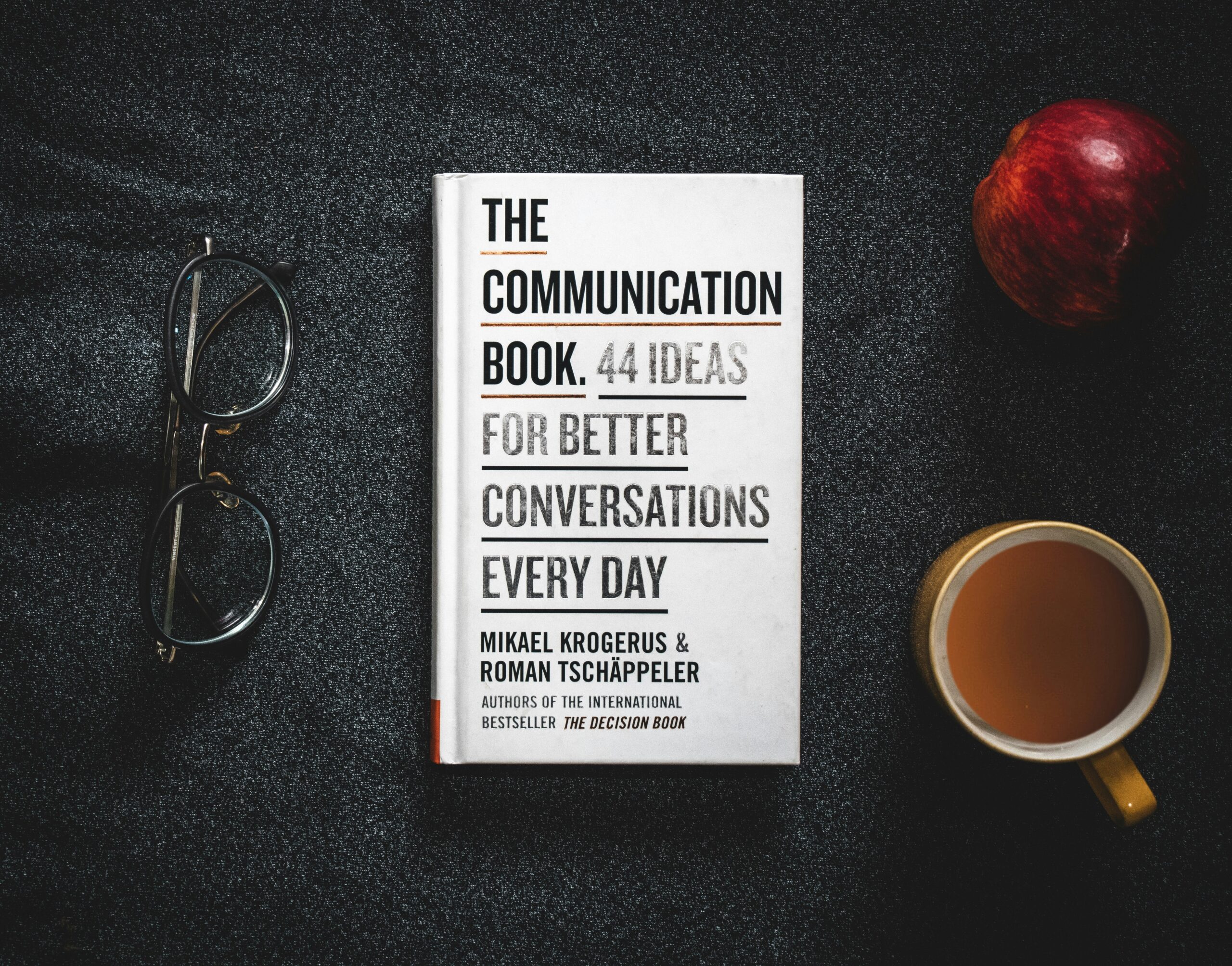
Improving interpersonal communication skills is one of the most valuable abilities a person can develop. These skills shape how people share ideas, express feelings, and build trust with others. Whether at work, at home, or in social settings, strong communication helps reduce conflict and creates clearer understanding. This article explains practical ways to improve interpersonal communication skills using simple, real life methods that anyone can apply.
Understanding What Interpersonal Communication Really Means
Interpersonal communication is the exchange of thoughts, feelings, and information between two or more people. It includes spoken words, tone of voice, facial expressions, and body language. Improving interpersonal communication skills means learning how to send clear messages and how to understand others more accurately.
Many misunderstandings happen not because people disagree, but because messages are unclear or poorly delivered. When communication improves, relationships often become calmer, more respectful, and more productive.
Why Improving Interpersonal Communication Skills Matters
Strong communication skills support better teamwork, stronger friendships, and healthier family bonds. People who communicate well often feel more confident and less stressed during conversations. They are also better at solving problems and avoiding unnecessary arguments.
In the workplace, improving interpersonal communication skills can lead to better cooperation, fewer mistakes, and stronger leadership. In personal life, these skills help people feel heard, valued, and respected.
Learning to Listen With Full Attention
Listening is one of the most important parts of communication. Many people hear words but do not truly listen. To improve interpersonal communication skills, active listening is essential.
Active listening means giving full attention to the speaker. This includes maintaining eye contact, avoiding interruptions, and not planning a response while the other person is speaking. Simple actions like nodding or giving short responses show engagement and understanding.
When people feel listened to, they are more likely to communicate openly and honestly.
Speaking Clearly and Simply
Clear speech helps prevent confusion. When speaking, it is helpful to use simple words, short sentences, and a calm tone. Improving interpersonal communication skills does not require complex language. In fact, simple language often works best.
Before speaking, it helps to think about the main point. Staying focused on one idea at a time makes messages easier to understand. Avoid jumping between topics, as this can confuse the listener.
Understanding Body Language and Tone
Communication is not only about words. Body language and tone often send stronger messages than speech alone. Improving interpersonal communication skills includes becoming aware of these nonverbal signals.
Open posture, relaxed shoulders, and friendly facial expressions help others feel comfortable. A calm tone shows respect and patience. On the other hand, crossed arms, raised voices, or lack of eye contact can create tension, even if the words are polite.
Paying attention to both your own signals and those of others helps improve understanding.
Managing Emotions During Conversations
Strong emotions can make communication difficult. Anger, frustration, or fear may lead to harsh words or silence. Improving interpersonal communication skills involves learning to manage emotions before they take control of the conversation.
Taking a short pause before responding can help. Slow breathing and calm thinking allow for more thoughtful replies. It is also helpful to express feelings honestly without blaming others. For example, saying “I feel upset when plans change suddenly” is clearer and less confrontational than placing blame.
Asking Questions to Build Clarity
Questions help ensure understanding and show interest. Open ended questions invite detailed responses and encourage deeper conversation. Improving interpersonal communication skills includes learning how to ask the right questions at the right time.
Questions like “Can you explain that further” or “How did that make you feel” help uncover meaning and avoid assumptions. Clarifying questions also prevent misunderstandings before they grow into larger problems.
Giving and Receiving Feedback Respectfully
Feedback is a normal part of communication, especially in work and learning environments. Improving interpersonal communication skills means learning how to give feedback that is helpful, not hurtful.
Good feedback focuses on behavior, not personal traits. It is specific, calm, and balanced. When receiving feedback, listening without becoming defensive helps maintain trust. Even difficult feedback can support growth when handled respectfully.
Practicing Empathy in Everyday Conversations
Empathy means trying to understand how another person feels. It does not require agreement, only understanding. Improving interpersonal communication skills becomes easier when empathy is present.
Simple statements like “That sounds challenging” or “I can see why you feel that way” help others feel supported. Empathy builds stronger emotional connections and reduces conflict.
Building Confidence Through Practice
Like any skill, communication improves with practice. Small daily efforts lead to lasting change. Improving interpersonal communication skills does not require perfection, only consistent attention and willingness to learn.
Practicing active listening, clear speech, and emotional awareness in everyday conversations builds confidence over time. Mistakes may happen, but they offer valuable learning moments.
Creating Long Term Communication Habits
Strong communication is not a one time effort. It grows through regular practice and self awareness. Improving interpersonal communication skills involves reflecting on past conversations and noticing what worked well and what did not.
Setting small goals, such as listening without interrupting or expressing ideas more clearly, helps create lasting habits. Over time, these habits strengthen relationships and improve overall communication quality.
Final Thoughts on Improving Interpersonal Communication Skills
Improving interpersonal communication skills is a powerful way to enhance both personal and professional life. Clear listening, thoughtful speaking, emotional awareness, and empathy all play important roles. By practicing these skills daily, anyone can build stronger connections and communicate with greater confidence and ease.
Effective communication is not about being perfect. It is about being present, respectful, and willing to grow. With steady effort, better conversations and stronger relationships naturally follow.